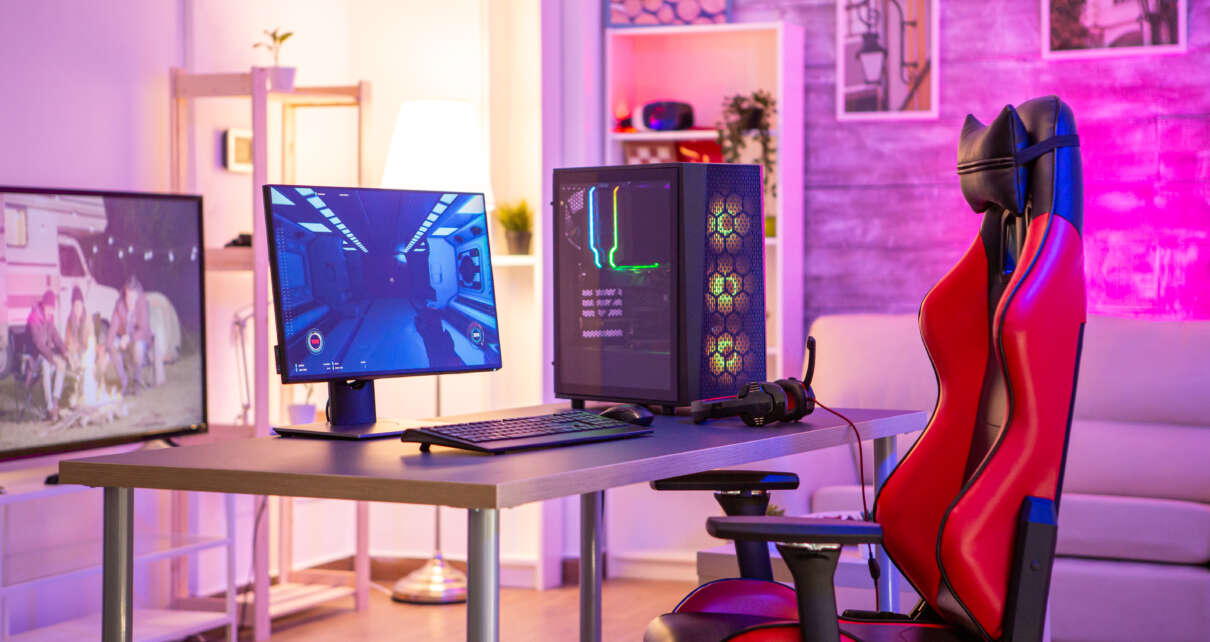
The rise of PC gaming has been a significant cultural phenomenon, with millions of people all over the world engaging in this form of entertainment on a daily basis. While some may view gaming as a waste of time, recent research suggests that it may actually have a positive impact on productivity. As such, examining the connection between PC gaming and productivity is becoming increasingly important, particularly in light of the current pandemic and the rise of remote work. This article will explore the benefits and drawbacks of PC gaming and how it can potentially affect worker productivity.
Benefits of PC Gaming on Productivity
PC gaming has been on the rise in recent years, with millions of people worldwide engaging in playing various types of games. However, beyond the fun and entertainment factor, PC gaming has been associated with various benefits for productivity. Improved problem-solving skills, hand-eye coordination, and fine motor skills are some of the benefits that have been linked to regular PC gaming. Additionally, PC gaming has been known to increase creativity and self-expression, while also improving decision-making and multitasking abilities. This section delves deeper into how PC gaming can improve productivity in both personal and professional settings.
Improved Problem-Solving Skills
PC gaming has been found to offer a range of benefits, including improved problem-solving skills. Playing video games can help with cognitive processes that involve problem-solving, such as planning and decision-making. In fact, video games that require strategic thinking and creative problem-solving, like puzzle games and strategy games, can help players hone these skills.
In addition, practicing problem-solving skills through gaming can transfer to real-life situations, such as schoolwork and work-related tasks. By actively engaging in problem-solving while gaming, players can develop a heightened ability to tackle challenges and overcome obstacles in all areas of life.
Improved Hand-Eye Coordination and Fine Motor Skills
PC gaming has been shown to have a positive impact on hand-eye coordination and fine motor skills. The quick reflexes and accurate movements required in many games can help players develop better hand-eye coordination.
Additionally, gaming involves using a mouse and keyboard, which can improve fine motor skills and dexterity. Certain games, such as puzzle games and first-person shooters, require precise movements to be successful. Regular gaming can lead to long-term improvements in these areas, making PC gaming a potential tool for improving physical skills in addition to being a form of entertainment.
Increased Creativity and Self-Expression
PC gaming is more than just a form of entertainment; it can also have a positive impact on productivity, particularly in terms of increased creativity and self-expression. Research has shown that playing PC games can enhance problem-solving abilities, improve hand-eye coordination and encourage thinking outside the box.
Furthermore, PC gaming can serve as a platform for self-expression, allowing players to make choices that reflect their unique style and encourage experimentation. As players advance, they are rewarded with a sense of achievement, which can boost self-confidence and ultimately translate into increased self-efficacy. By promoting creativity and self-expression, PC gaming can not only provide an enjoyable distraction but also help individuals develop skills that can be useful in a variety of other areas, including work and relationships.
Improved Decision-Making and Multitasking
PC gaming has been shown to improve various cognitive abilities, including decision-making and multitasking skills. Gamers are often required to make split-second decisions under pressure, whether it be in a fast-paced action game or during a competitive multiplayer match. This constant demand for quick decision-making leads to the development of cognitive processes that allow gamers to analyze situations, weigh options, and make informed decisions in a matter of seconds.
Additionally, many popular PC games, such as strategy games, require players to manage multiple tasks and objectives at once, which further enhances their multitasking abilities. Studies have shown that playing strategy games can lead to improvements in cognitive flexibility, working memory, and overall decision-making skills. As such, PC gaming can provide a unique opportunity for individuals to develop important cognitive abilities that are applicable in a wide range of real-world scenarios.
Potential Downsides of PC Gaming on Productivity
Although there are many potential benefits to PC gaming, it is important to consider the potential downsides as well. One potential downside is increased stress and anxiety from competing in online games. The competitive nature of online gaming can lead to frustration, anger, and negative emotions, which can impact productivity in other areas of life. Additionally, extended gaming sessions can lead to reduced interest in other activities and social withdrawal and isolation. While PC gaming can be a fun and engaging hobby, it’s important to find a balance and prioritize productivity in other areas of life as well.

Increased Stress and Anxiety From Competing in Online Games
While PC gaming has its benefits, such as improved hand-eye coordination and decision-making skills, there are also potential downsides that can negatively impact productivity. One major issue is the increased stress and anxiety that comes with competing in online games. High-pressure gaming situations, such as intense PvP matches or raids, can lead to a range of mental health effects, such as irritability, decreased focus, and burnout.
In some cases, gaming anxiety can even develop into a more serious issue that affects daily life and relationships. Research has shown that heavy gamers are more likely to experience elevated levels of stress and anxiety compared to non-gamers. As such, it’s important to be mindful of how gaming habits may be affecting mental health and overall productivity.
Reduced Interest in Other Activities Outside of Gaming
While PC gaming can have many benefits, it is important to consider the potential downsides that can impact productivity levels. One of these downsides is reduced interest in other activities outside of gaming. Extended gaming sessions can lead to social withdrawal and isolation, resulting in a lack of engagement in other meaningful activities. This can also lead to boredom and functional impairment, negatively affecting productivity levels.
Additionally, the increased stress and anxiety that can result from competitive online gaming can further add to reduced interest in other activities. To overcome these downsides, individuals must find a balance between gaming and other activities, incorporating PC gaming into a productive lifestyle.
Social Withdrawal and Isolation From Extended Gaming Sessions
Extended gaming sessions have the potential to lead to social withdrawal and isolation, which has been supported by scientific evidence. A systematic review conducted by Laconi et al. (2018) found that problematic video gaming can lead to functional impairment, behavioral addiction, and aggressive behaviors.
Additionally, the American Psychiatric Association has recognized gaming disorder as a mental health condition associated with impaired control over gaming, leading to significant distress or functional impairment. Excessive video gaming can result in negative impacts on an individual’s social life and interpersonal communication, leading to a lack of face-to-face interactions, reduced emotional attachment, and social isolation. This may manifest in gaming behavior, such as the preference for online friendships over offline relationships, further perpetuating social withdrawal and isolation.
Recommendations for Incorporating PC Gaming Into a Productive Lifestyle
Incorporating PC gaming into a productive lifestyle is possible when approached with intention and discipline. To fully enjoy the benefits of gaming on productivity, creating boundaries and limits on time spent gaming is crucial. Using gaming as a reward and positive reinforcement can further motivate individuals to complete tasks and achieve goals. Educational games can be used to learn while having fun, and multiplayer/team-based games can encourage collaboration and communication skills. Single-player games that require strategic thinking and problem-solving can also be incorporated into a productive routine. These recommendations show that PC gaming can enhance productivity levels when utilized thoughtfully and in moderation.
Set Boundaries and Limits on the Time Spent Gaming
Incorporating PC gaming into a productive lifestyle can bring numerous benefits, but it’s crucial to set boundaries and limits on the time spent gaming. Studies have shown that gaming can lead to functional impairment if left unchecked, leading to decreased productivity and potentially harmful consequences.
Excessive gaming can cause individuals to lose track of time, neglect responsibilities, and miss out on opportunities to develop skills and relationships in other areas of life. Setting limits and boundaries can help individuals avoid these potential downsides of PC gaming and ensure that gaming remains a leisure activity rather than a detriment to their overall well-being. Utilizing a timer or schedule for gaming can also serve as an effective way to manage time and maintain balance in daily routines.
Use Gaming as a Reward and Positive Reinforcement
Gaming has often been viewed as a time-consuming and unproductive activity, but it can actually be used in a positive way as a tool for increasing productivity. One effective way to incorporate gaming into a productive lifestyle is through the use of a reward system. By setting specific goals or completing tasks, individuals can reward themselves with a set amount of gaming time. This strategy can serve as an incentive to stay focused and motivated throughout the day.
Additionally, focusing on positive reinforcement by reminding individuals of the potential benefits of gaming, such as enhancing problem-solving, creativity, and decision-making skills, can encourage them to view it as a productive activity rather than a waste of time.
Take Advantage of Educational Games
Incorporating educational games into a productive gaming lifestyle can have numerous benefits. These games have the potential to enhance problem-solving skills and cognitive abilities, while also facilitating learning beyond the traditional classroom setting. Research has shown that educational gaming can improve memory retention, multitasking, and decision-making abilities. By including educational games in a daily routine alongside other activities, individuals can maintain an effective and engaging learning experience.
To fully utilize the potential of educational games, it is important to choose games that align with personal preferences and interests to maintain enjoyment and motivation. By taking advantage of educational games, individuals can enhance their learning experience while also indulging in the fun of gaming.
Engage in Multi-Player or Team-Based Games to Encourage Collaboration and Communication
Recent studies indicate that playing team-based or multiplayer games can improve teamwork, communication, and collaboration in the workplace. Game scenarios often mirror common team structures, and players are required to fulfill unique roles and work towards a common goal. Virtual gaming communities benefit from each player’s ability to use their collective intelligence to learn about their role and the roles of others, promoting critical thinking and problem-solving skills.
Popular multiplayer or team-based games such as League of Legends, DOTA 2, and Overwatch can be used for team-building, emphasizing the importance of negotiating as a team, fulfilling unique roles, and working towards a common goal. Furthermore, gaming can be utilized as a tool for fostering creativity and building trust and confidence in one another, ultimately leading to increased productivity in the workplace.
Opt for Single-Player Games That Require Strategic Thinking and Problem Solving
In today’s constantly connected world, video games often receive criticism for being a waste of time and leading to unproductive behavior. However, there is a growing movement that suggests certain video games can actually enhance productivity and decision-making skills. Opting for single-player games that require strategic thinking and problem-solving has become increasingly popular among gamers who seek intellectual challenges that can also improve their cognitive skills.
Games like Civilization, XCOM, and The Witcher are prime examples of this category that allows players to analyze and solve complex problems through strategic planning and decision-making. By choosing games that offer both enjoyment and intellectual benefits, players can enhance their productivity while still having fun.

Conclusion
Overall, the background information highlights the prevalence and possible negative consequences of problematic video gaming, while also acknowledging the potential cognitive and social benefits of gaming on productivity. It is important to balance the potential downsides and benefits of PC gaming on productivity in order to incorporate it into a productive lifestyle. Some ways to do so may include setting time limits, choosing games that promote critical thinking or problem-solving, and balancing online connections with offline social interaction. It is important to find a balance that works for each individual in order to reap the benefits of PC gaming without sacrificing productivity or other important aspects of life.