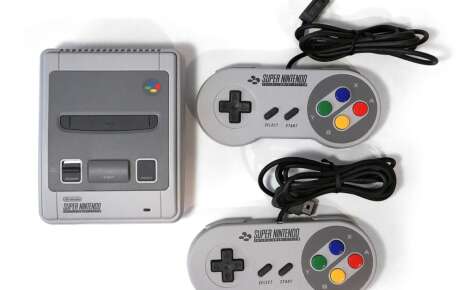
From the 8-bit classics of the 1980s to the intense 3D action of modern-day, gaming has come a long way since its inception. But what influence have retro games had on contemporary game design? From pixel art and 2D platformers to difficult difficulty settings and user experiences over visuals, there are plenty of influences that can be seen in today’s games.
This essay will explore how retro gaming has shaped modern game design by examining some of the most iconic names in early video game history — Atari, Nintendo Entertainment System (NES), and SEGA — and notable examples of modern games influenced by them. So grab your controller and join us on a journey through time as we dive into how retro gaming is still shaping the way we play games today!

Definition of Contemporary Game Design
Contemporary game design is a term used to describe the modern approach to video game development. It includes the use of cutting-edge technology and advanced software engineering techniques, as well as a focus on user experience, graphics, and story-telling. Contemporary game design often incorporates elements from past games such as pixel art, classic gameplay mechanics, and recognizable characters.
Many modern games have evolved far beyond their retro counterparts, with developers using sophisticated methods such as procedural generation to create unique gaming experiences every time. By combining old-school design with modern technology and techniques, contemporary game designers are able to create immersive worlds that captivate players of all ages.
Contemporary game design is a combination of old school and new, bringing together the best of both worlds to create immersive experiences that are sure to captivate players of all ages. Next, we’ll explore the fascinating relationship between retro gaming and contemporary game design.
Relationship between Retro Gaming and Contemporary Game Design
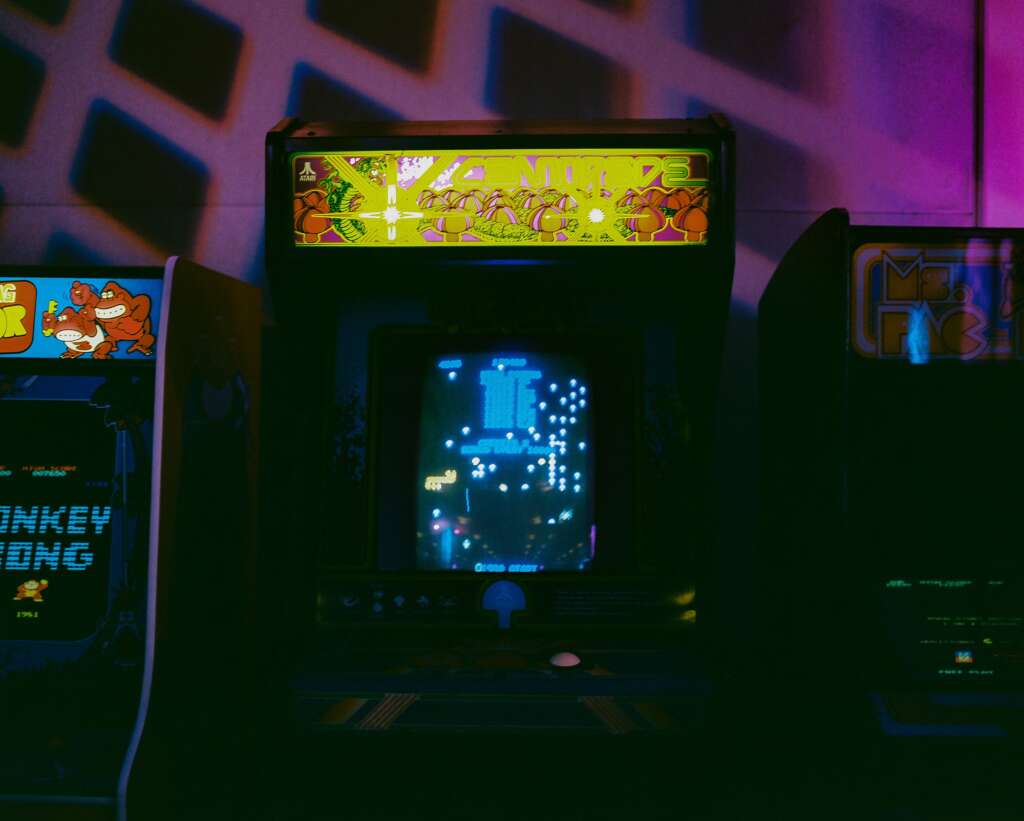
The relationship between retro gaming and contemporary game design is one of the most interesting aspects of the video game industry. Retro games, such as classic arcade machines, home console systems, and handheld devices, are known for their simple gameplay mechanics and lack of sophisticated graphics. These elements made them popular in the past and continue to influence modern game design today. Developers often take cues from these classic titles when creating new games, whether it’s by bringing back characters such as Donkey Kong or incorporating their art style into modern releases.
Furthermore, many companies have capitalized on nostalgia by releasing remakes or remaster of beloved titles such as Sonic the Hedgehog or Pac-Man. This allows players to experience a piece of gaming history while also benefiting from improved visuals and additional content. Whether it’s through direct emulation or subtle influences, retro gaming continues to have an effect on the way contemporary game designers approach development.
Overall, the influence of retro gaming on contemporary game design is so strong that it is impossible to deny. From direct emulation to subtle influences, these classic titles have left an indelible mark on the industry. With this in mind, let’s take a closer look at how retro gaming has impacted modern game design – stay tuned!
Retro Gaming Influences on Contemporary Design
Retro gaming has had a profound effect on contemporary game design, allowing modern developers to tap into the nostalgia of classic titles while incorporating updated visuals and mechanics. One of the most obvious examples is the resurgence of beloved characters such as Donkey Kong and Pac-Man in modern releases. Additionally, many companies have released remakes or remaster of these classic titles, allowing players to experience a piece of gaming history with improved visuals.
Retro gaming has also had an impact on the overall aesthetics and gameplay mechanics that are found in modern games. Developers often take cues from classic arcade machines and console systems when it comes to creating their own titles, whether it’s by implementing simple controls or using pixel art styles to give their games a retro feel. The influence of retro gaming on contemporary game design is undeniable – it’s a powerful reminder of how far the industry has come over the years.
Retro gaming has made an indelible mark on modern game design, revolutionizing the way we think about both aesthetics and mechanics. With its accessible controls and vibrant pixel art, it’s no wonder why so many developers continue to draw inspiration from these classic titles. Next time, we’ll explore the unique art style and pixel graphics of retro games in more depth – an ode to the vibrant visuals that have captivated generations.
Art Style & Pixel Graphics
Many of the most beloved games from generations past feature art styles and pixel graphics that have a distinct charm that continues to influence modern game design. Pixel art is often used as a way to evoke nostalgia and give players a glimpse into gaming’s past, while also providing an accessible visual style for players of all ages. This type of art style not only gives games a unique aesthetic but also allows developers to convey complex story elements without relying on complicated visuals. Additionally, pixel art is typically easier and faster to produce than other types of graphics, making it an attractive option for developers looking for cost-effective visuals.
Ultimately, the use of pixel art in modern games is a testament to its timeless appeal – it allows developers to create visually-appealing titles with minimal effort. Whether it’s being used as a throwback or simply an attractive alternative, there’s no denying that pixel art remains an integral part of contemporary game design.
2D Versus 3D Platforming
The debate between 2D and 3D platforming has been ongoing for many years, with both styles having their own unique advantages. 2D platformers are often simpler in design, allowing players to focus more on the gameplay rather than the visuals. This makes them particularly well-suited for mobile devices and other small platforms, where there is limited processing power available. They also feature more linear levels and allow developers to create intricate level designs without having to worry about 3D space, which can be time-consuming and complex.
On the other hand, 3D platformers offer a much more immersive experience due to their use of three-dimensional environments. This allows developers to make more expansive worlds that feature a greater variety of obstacles and puzzles for players to overcome. Furthermore, they’re better suited for consoles as they tend to require more processing power than 2D games.
Ultimately, it’s up to the player’s preference as both 2D and 3D platformers have their own unique strengths and weaknesses. Both styles offer a unique gaming experience that can provide hours of entertainment – so why not try out both?

Focus on User Experience over Visuals
Users are the driving force behind any video game, and it’s important for developers to prioritize their experience over everything else. While visuals can be important in creating an immersive world and giving players a sense of excitement, it’s ultimately the user experience that will determine whether they stick with your game or move on to something else.
One way developers can focus on user experience is by providing intuitive controls that don’t require too much time to learn. The more accessible a game is, the more likely users are to keep playing. Additionally, offering plenty of feedback along the way will help ensure players know what they need to do next and stay engaged with the game.
Developers should also strive to create replay value by creating multiple levels or objectives, as this helps keep players coming back for more. Adding bonus content such as mini-games or extra levels can also give users an incentive to keep going until they complete everything the game has to offer.
Finally, developers must ensure that their games run smoothly on whatever platform(s) they’re released on – this includes making sure there are no technical glitches or frame rate issues. This will help guarantee that users have an enjoyable gaming experience every time they boot up your game and make them more likely to recommend it to friends or family members.
Difficult Difficulty Settings
Difficulty settings are a great way for game developers to balance out the user experience and cater to a wider range of players. Difficult difficulty settings allow experienced gamers to challenge themselves while giving more casual players an easier time. It also promotes replayability, as players can come back and test their skills on increasingly difficult levels.
When designing difficult difficulty settings, game developers must make sure that they aren’t too punishing or unfair. Players should be able to progress without having to rely on luck or memorization – instead, challenge them with smart artificial intelligence (AI) enemies and tricky puzzles. Additionally, it’s important to provide plenty of checkpoints along the way so that users don’t have to redo too much if they die or get stuck in a particular level or segment.
Overall, providing difficulty settings is an excellent way for game developers to appeal to a larger audience and create games that are accessible yet challenging enough for all types of players. It’s also an effective way of promoting replay value, as users can come back again and again until they conquer even the toughest levels.
Notable Retro Influenced Modern Games
It’s no secret that modern video games owe much of their success to classic games that came before. From iconic characters like Mario and Donkey Kong to classic arcade titles like Pac-Man and Space Invaders, retro gaming has had a huge influence on the contemporary video game industry. Today, many game developers are taking inspiration from these classic titles in order to create new experiences for players.
Notable examples of modern games influenced by retro gaming include Shovel Knight, Retro City Rampage, and Hotline Miami. Each of these critically acclaimed titles pays homage to classic 8-bit era games with its art style and nostalgic soundtrack. In addition, they also feature level designs heavily inspired by classic arcade games such as Super Mario Bros., Legend of Zelda, and Contra. By combining elements from retro gaming with more modern ideas, these games have successfully appealed to both longtime fans of the genre as well as newcomers seeking an exciting adventure.
Retro gaming has left an indelible mark on the video game industry, and its influence can be seen in many modern titles. As we move forward, it’s clear that classic games will remain an important part of gaming culture. With that being said, it’s time to look at three big names of early video game design — who shaped the industry as we know it today.
Three Big Names of Early Video Game Design
Nolan Bushnell, Ralph Baer, and Shigeru Miyamoto are three of the biggest names in early video game design. Nolan Bushnell is best known for founding Atari and creating Pong, a revolutionary game that helped kickstart the modern video game industry. Ralph Baer was an inventor who developed the first home video game console, the Magnavox Odyssey.
Finally, Shigeru Miyamoto is a legendary Japanese game designer and producer who created iconic franchises such as Mario, Donkey Kong, and The Legend of Zelda. Each of these individuals played a monumental role in shaping the future of gaming by introducing innovative ideas that were ahead of their time. Their contributions to gaming culture have inspired generations of developers to this day, leaving behind a lasting legacy that will continue to influence video games for years to come.
The early video game industry was changed forever by the pioneering efforts of Nolan Bushnell, Ralph Baer, and Shigeru Miyamoto. Thanks to their contributions, gaming has become one of the most beloved pastimes in history. Get ready to explore the wild world of Atari next – where anything is possible!
Atari
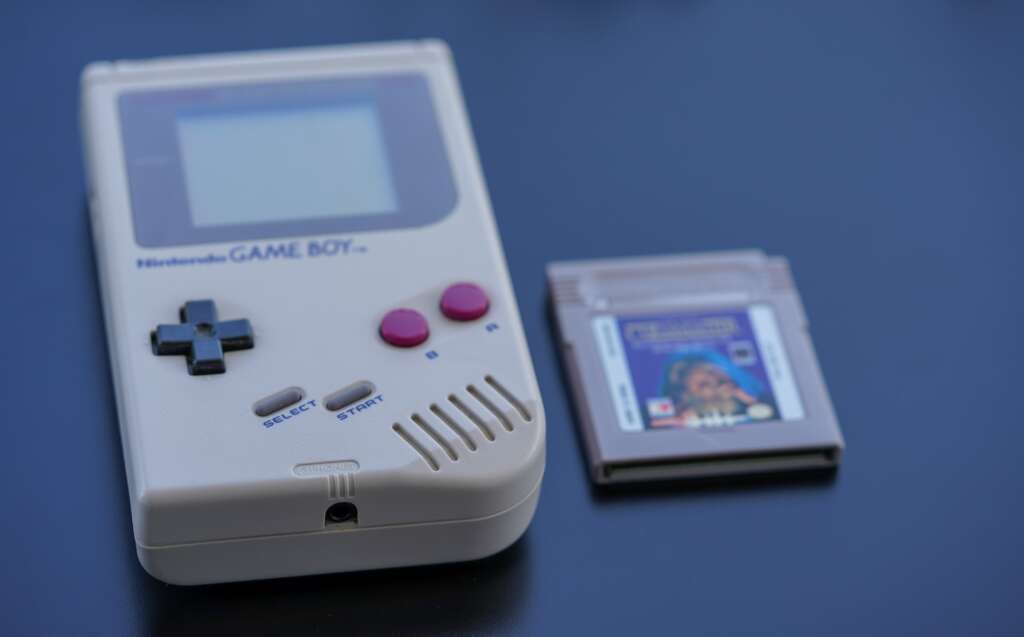
Atari was a revolutionary company when it launched in 1972, and its introduction of home console systems in 1977 changed the game. With groundbreaking titles such as Pong and Space Invaders, Atari quickly rose to become the fastest-growing company in the history of the US, controlling at least 75% of the market. Their games revolutionized gaming culture with art styles that had never been seen before, introducing gamers to an exciting new world full of colorful characters and engaging storylines. As a result of their success, Atari became a household name and their iconic logo is still recognizable across all generations today.
The legacy of Atari continues to influence modern game design even to this day; from reviving classic titles for current consoles to ever-evolving art styles and graphics. They’ve inspired game developers worldwide to create some incredible experiences that have kept us entertained for decades. Thanks to Atari’s pioneering efforts, video games have evolved into one of the most popular forms of entertainment – allowing us all to escape reality and explore virtual worlds beyond our wildest dreams!
Nintendo Entertainment System (NES)
The Nintendo Entertainment System (NES) revolutionized the home gaming industry in 1983 when it was released in North America. It allowed Nintendo to reign triumphant over the game crash of 1983, and changed the face of home gaming forever. NES featured 8-bit graphics that were incredibly advanced for its time. The console also had a library of classic games including Super Mario Bros., Duck Hunt, and The Legend of Zelda that became instant classics amongst gamers.
With its groundbreaking graphics and fun game library, the NES became one of the most successful consoles of all time. It sold millions of units worldwide and helped to establish Nintendo as one of the leading companies in the video game market. The influence of NES can still be seen today with many modern games taking inspiration from classic titles such as Super Mario Bros., or borrowing iconic elements like powerups and secret levels. Without NES, there is no telling how different modern gaming would look today!
SEGA
SEGA was one of the leading companies in the video game market during the mid-1980s. The company released a series of highly successful consoles, including the SEGA Master System and its successor, the SEGA Genesis. This 16-bit console featured an impressive color palette, higher-quality graphics, and more advanced sound capabilities than its predecessor. It also had a wide variety of popular games such as Sonic the Hedgehog, Streets of Rage 2, and Phantasy Star IV which made it a hit with gamers.
The success of SEGA’s consoles was due in part to its clever marketing strategy. By targeting teenagers with rebellious and edgy marketing campaigns, SEGA gained a loyal following amongst young people. Their mascot, Sonic the Hedgehog, is still one of gaming’s most famous characters today and has become an icon for a generation of gamers.
Sonic the Hedgehog’s influence can be seen in contemporary games from his iconic art style to his attitude and sense of fun. In addition to inspiring modern games with their retro roots, many developers have integrated elements from classic SEGA titles into their own projects in order to pay homage to this influential gaming company. It is clear that without SEGA’s contribution to gaming history, there would be no modern-day video game industry as we know it today!
Conclusion
In conclusion, it is clear that retro gaming has had a significant impact on contemporary game design. From the use of pixel art and chiptune music to the revival of classic gameplay mechanics, game developers have embraced the nostalgia and charm of retro games in creating modern titles. Moreover, the success of retro-inspired games such as Shovel Knight and Stardew Valley has demonstrated that there is a demand for such games in the market. As technology continues to advance, it will be interesting to see how retro gaming will continue to shape the future of game design.