Do you think console gaming is just a sedentary activity that promotes laziness? Think again. With the rise of gaming technology, console gaming has evolved to become more than just a leisurely pastime. It has also become a platform for sports and fitness enthusiasts.
For years, console gaming has been criticized for its lack of physical activity and negative impact on health. However, with the introduction of motion-sensing technology and fitness games, console gaming has become an innovative way to promote physical activity and improve overall health.
The impact of console gaming on sports and fitness cannot be ignored. With the integration of fitness games and motion-sensing technology, console gaming has become a viable alternative for those who are not interested in traditional sports or gym routines. In this article, we will explore the impact of console gaming on sports and fitness and how it is changing the way we view physical activity.
Positive Impact of Console Gaming on Sports and Fitness
Console gaming has been found to have a variety of positive impacts on sports and fitness. One such benefit is enhanced visualization skills, as video games often require players to engage in problem-solving and strategic thinking. In addition to cognitive benefits, gaming can also improve motor coordination, which is especially important for sports and other physical activities. Furthermore, gaming can increase levels of focus and concentration, which can translate to other areas of life such as school or work. Another advantage of console gaming is improved social interaction, as it provides a means for players to engage with others and build relationships. Finally, active video games have been shown to increase physical activity levels, which is crucial for maintaining overall health and fitness.

Enhanced Visualization Skills
Console gaming has been shown to enhance visualization skills in players. Visual skills include hand-eye coordination, reaction time, spatial awareness, visual discrimination, and recognition, all of which are crucial for various sports and physical activities. Console games improve these skills by providing players with an interactive and visually engaging experience that requires quick and accurate visual analysis and response.
Games that involve fast-paced, visually stimulating graphics, such as dodge, aim, or movement games, are particularly effective in enhancing visualization skills. In these games, players must respond quickly and accurately to visual cues, which helps improve hand-eye coordination, reaction time, and spatial awareness. Research findings have demonstrated the positive impact of console gaming on visual proficiency, with studies showing that players who engage in gaming have better visual-spatial cognition and better discrimination skills compared to non-gamers.
Improved Motor Coordination
Console gaming is not only a great way to improve one’s visual skills, but it can also enhance motor coordination. Games such as ARMS and Fitness Boxing 2, which utilize motion controls and rhythm-based gameplay, have been shown to be particularly effective in promoting hand-eye coordination and fine motor skills. These games require players to use precise movements to hit targets or dodge obstacles, which can have a positive impact on their overall motor coordination.
In addition to ARMS and Fitness Boxing 2, other video games can also improve motor coordination. Games like Just Dance or Guitar Hero focus on rhythm-based gameplay, which requires players to use precise timing and coordination to hit certain cues. Other games, such as platformers or racing games, can also require fine motor skills and hand-eye coordination to navigate obstacles and complete challenges.

Increased Level of Focus and Concentration
Console gaming has also been found to increase one’s level of focus and concentration. Video games require players to stay alert and on-task, reacting quickly to on-screen actions and making split-second decisions. Research has shown that playing video games can improve reaction time, which is an essential element in staying focused on particular tasks. The faster a person can process information and react to it, the more likely they are to stay engaged and focused on what they are doing.
Active video games are particularly beneficial when it comes to increasing concentration levels. Games like Ring Fit Adventure or Beat Saber require players to concentrate and react quickly to on-screen actions. These games provide an interactive and engaging way to improve focus and concentration. In fact, studies have shown that playing certain types of video games can lead to increased cognitive abilities, such as the ability to make better decisions quickly. This skill is essential to staying focused and on-task, especially in high-pressure situations.
Improved Social Interaction
Console gaming can have a significant impact on social interaction. While some people may see playing video games as a solitary activity, gaming can actually provide opportunities for socialization. Online multiplayer games offer an avenue for individuals to connect with others who share similar interests. Additionally, gaming consoles often have video chat capabilities, allowing users to communicate with others in real time while playing together.
However, it is important to note that video games should not be a substitute for face-to-face interactions. If individuals spend excessive amounts of time playing games and neglect their social lives, it can lead to negative impacts on their social skills. The key is to find a balance between playing video games and engaging in real-life social interactions.
Several studies have explored the relationship between video games and social skills, with varying results. One observational study found that playing online multiplayer games can lead to increased social interaction, with players reporting feelings of social belongingness and a sense of community. However, a cross-sectional study found that excessive video gaming can lead to social withdrawal and isolation. It is clear that the impact of console gaming on social interaction is complex and depends on individual factors such as the amount of time spent playing games and the types of games that are played.

Increased Physical Activity with Active Video Games
Active video games, also known as exergames, are a fun and engaging way to increase physical activity levels. These games integrate physical movement with gaming technology, providing a unique experience that is both entertaining and beneficial for health. Studies have shown that active video games can lead to an increase in physical activity levels and cardiorespiratory fitness in both children and adults. In a study conducted by Graves et al. (2010), children who played Dance Dance Revolution (DDR) for 30 minutes a day, five days a week, for 10 weeks, saw significant improvements in aerobic capacity and lower body strength. Similarly, a study by Gao et al. (2015) found that playing active video games such as EA Sports Active resulted in increased energy expenditure and improved cardiovascular fitness.
Popular active video games include DDR, EA Sports Active, and Beat Saber. DDR is a rhythm-based game that requires players to move their feet in response to arrows that scroll on the screen, while EA Sports Active includes a variety of exercises such as running, boxing, and strength training. Beat Saber is a virtual reality game that challenges players to slice through blocks using lightsabers in time with the music. These games are enjoyed by people of different ages and fitness levels, as they offer a range of difficulty levels and can be customized to suit individual needs and preferences.
The active video game industry has seen rapid growth in recent years, with revenues expected to reach $6.4 billion by 2027 (GVR, 2021). The COVID-19 pandemic has likely contributed to this growth, with many people turning to active video games as a way to stay active and entertained while staying at home. This trend is expected to continue as people prioritize health and fitness, and seek out convenient and enjoyable ways to engage in physical activity.
Negative Impact of Console Gaming on Sports and Fitness
While console gaming can provide a fun and exciting way to stay active, it also has its negative aspects. Some of these include a decrease in outdoor activities and exercise, an increased risk of injury from prolonged sitting or playing intense games, poor diet habits resulting from gaming bingeing, and an increased risk of video game addiction. It is important to balance gaming with other physical activities and healthy habits to maintain overall health and well-being.
Decreased Outdoor Activities and Exercise
Console gaming has been identified as a factor contributing to the decrease in physical activity and the prevalence of sedentary behavior. Instead of engaging in outdoor activities and exercise, individuals tend to spend extended periods of time sitting and playing video games. Observational studies have shown that sedentary behavior is associated with a higher risk of cardiovascular disease, diabetes, obesity, and decreased overall health. Furthermore, prolonged sitting or playing physically intense games can lead to injury, particularly to the back, neck, and eyes.
Research also indicates that gamers may engage in poor diet habits, such as snacking on unhealthy foods such as chips or soda while playing video games for extended periods of time. A study found that children who spent more time playing video games had a higher intake of sugar, fat, and lower-intensity exercise, compared to those who spent less time playing video games. Gaming bingeing can also lead to the neglect of traditional exercise routines, thereby causing an overall negative impact on sports and fitness.
To mitigate these negative impacts, incorporating active video games can be an effective stepping stone to encourage individuals to engage in traditional exercise. These games require players to move their bodies and incorporate physical activity into gameplay. Additionally, setting time limits for gaming and implementing healthy snacking options can help reduce sedentary behavior and poor diet habits. It is important to note that although active video games can be beneficial, they should not replace traditional exercise routines as they may not be as effective in improving cardiorespiratory fitness and overall health.

Increased Risk of Injury from Prolonged Sitting or Playing Intense Games
Gamers who indulge in prolonged sitting or play intense games are at increased risk of injury. Sitting for prolonged periods can lead to physical discomfort and pain in the neck, back, shoulders, and hands. This sedentary behavior can also contribute to musculoskeletal disorders that can lead to long-term systemic health issues. Additionally, continuous gameplay will cause fatigue and aches that can diminish gaming performance and enjoyment.
Playing intense games repetitively can also result in injuries such as tendonitis, carpal tunnel syndrome, and trigger fingers. Tendonitis is a painful inflammation that occurs when the tissue connecting muscle to bone becomes irritated, while carpal tunnel syndrome has similar symptoms that manifest in the wrist and hand due to pressure on the median nerve. Trigger finger refers to the locking of a finger or thumb due to inflammation, which can cause pain and even limited mobility.
To avoid these injuries, gamers should take frequent breaks, stretch regularly, and use ergonomic equipment while playing. Taking breaks allows gamers to stand up and move around, promoting blood flow and preventing muscle fatigue. Stretching before and after gaming can also help prevent muscle strain. Choosing ergonomically designed equipment such as chairs, keyboards, or mouse, can help maintain a neutral posture and alleviate discomfort.
Poor Diet Habits Due to Gaming Bingeing
Excessive gaming can often take a toll on a person’s eating patterns, leading to a variety of poor diet habits. Gaming bingeing can cause individuals to snack on unhealthy foods like chips, candy, and soda, which can lead to weight gain and other adverse health effects. Furthermore, frequently neglecting to eat balanced meals can leave gamers feeling fatigued, lethargic, and mentally foggy.
One of the main reasons why gaming can impact eating habits is that it can be distracting, leading to impulsive food choices. Lengthy gaming sessions can make it difficult for individuals to focus on mindful eating behaviors, leading to overeating and poor food choices. Furthermore, it’s not uncommon for gamers to choose fast food or other unhealthy options due to their convenience and ease of access, further exacerbating these negative diet habits.
Fortunately, there are steps individuals can take to maintain a healthy diet while gaming. First and foremost, setting time limits on gaming sessions can help prevent bingeing and allow time for mindful meal planning and preparation. It’s also essential to ensure that healthy options like fruits, vegetables, and whole grains are readily available while gaming, as these snacks can help provide sustained energy. Finally, taking breaks to eat mindfully, away from screens, can help promote better digestion and improve cognitive function.
Increased Risk of Video Game Addiction
The increased accessibility and popularity of video games have raised concerns about video game addiction. Video game addiction is a serious behavioral disorder that can lead to negative consequences for an individual’s physical and mental health, social interactions, and academic performance. The addiction can manifest through symptoms such as excessive gaming, loss of interest in other activities, and difficulty controlling the amount of time spent on gaming. According to recent studies, the prevalence of video game addiction ranges from 1% to 8.5% among adults and up to 10% among adolescents.
Given the potential negative consequences associated with video game addiction, it is essential to take preventative measures to reduce the risk of addiction. Strategies to reduce the risk of video game addiction include establishing time limits for gaming, engaging in other hobbies and activities, healthy communication with family and friends, and seeking professional help. Setting time limits helps establish healthy gaming habits and encourages individuals to participate in other activities. Other hobbies and activities can provide an outlet for relaxation and reduce dependence on gaming. Healthy communication with family and friends, along with seeking professional help, can provide support and guidance for individuals struggling with addiction.
Conclusion
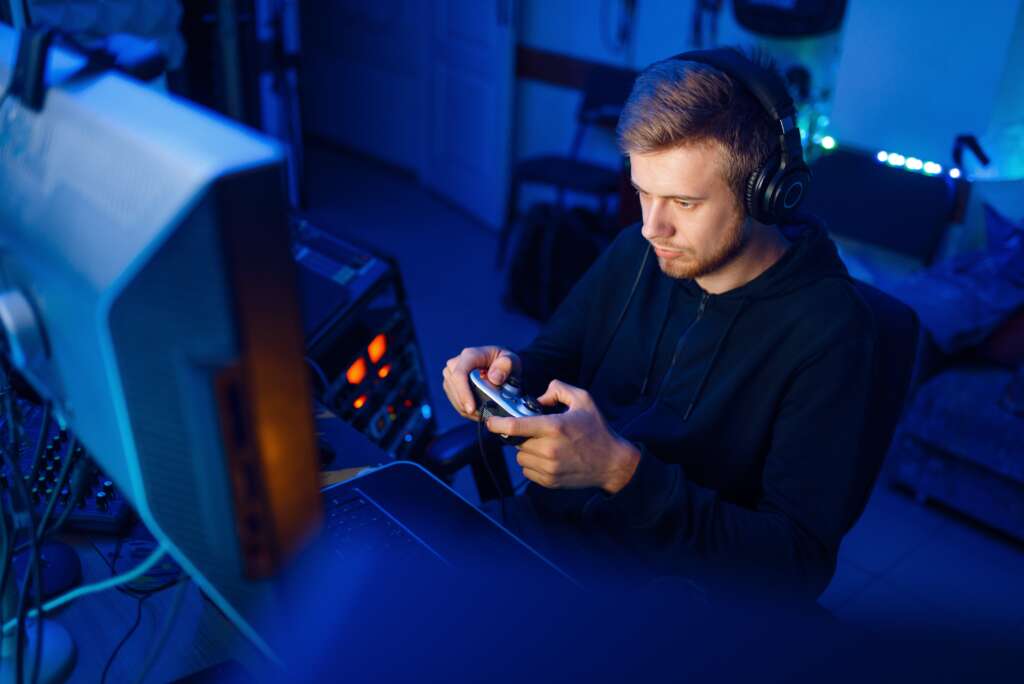
In conclusion, it is clear that console gaming can have both positive and negative impacts on physical health, mental well-being, and overall lifestyle. The benefits of console gaming include improved hand-eye coordination and cognitive skills, as well as an enjoyable way to relax and socialize. However, it is important to remember that excessive gaming can lead to a variety of adverse physical effects, including poor diet habits and an increased risk of video game addiction. Therefore, it is essential to take preventive measures such as setting time limits and engaging in other activities to reduce the risk of negative consequences.