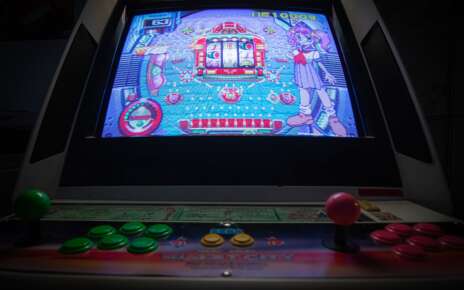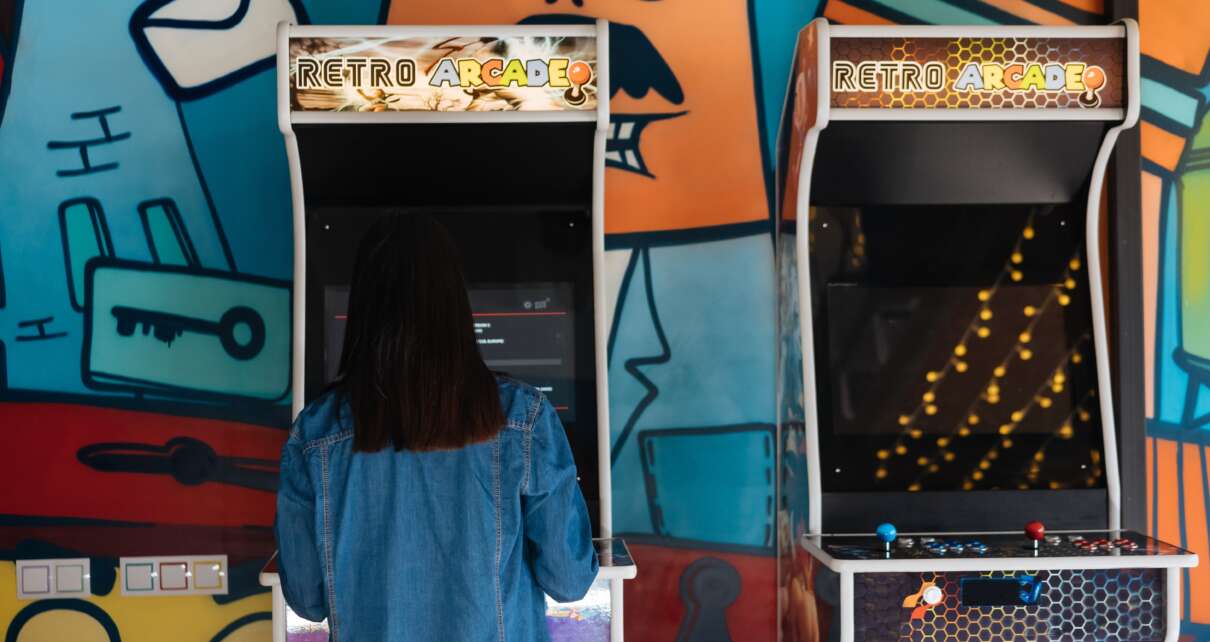
Have you ever walked into an arcade and felt a wave of nostalgia hit you? The sounds, the lights, the familiar games – it can take you back to a simpler time. But why do we still crave these classic arcade games?
Arcade gaming has been around for decades, and while the industry has evolved and adapted to new technology, there is still something special about the classics. From Pac-Man to Space Invaders, these games have stood the test of time and continue to attract players of all ages.
In this article, we will explore the reasons behind our continued love for classic arcade games. From the simplicity of the gameplay to the social aspect of arcade gaming, there are a variety of factors that contribute to our nostalgia and desire to play these games. So let’s take a trip down memory lane and discover why we still crave the classics.
Impact of Technology on Arcade Gaming
The evolution of technology has had a significant impact on the gaming industry, including arcade gaming. The emergence of home consoles has brought the arcade experience to people’s living rooms, allowing them to enjoy their favorite games without leaving their homes. Similarly, online gaming has transformed the way people play and compete with others around the world. While these technological advancements have made arcade gaming more accessible, they have also had an impact on its popularity as the industry shifts and adapts to the changing landscape. Let’s dive into the specific impacts of home consoles and online gaming on arcade gaming as well as their influence on its overall popularity.

Emergence of Home Consoles
The emergence of home consoles marked a significant shift in the gaming industry by bringing arcade gaming to people’s living rooms. Platforms like Nintendo Entertainment System (NES) and Sega Genesis saw tremendous success in the 80s and 90s, offering players a chance to enjoy classic games like Super Mario Bros. and Sonic the Hedgehog from the comfort of their homes. In recent years, we have seen a resurgence of retro gaming with the re-release of mini consoles like the NES Classic Edition and the SNES Classic Edition, making these classic games more accessible. Brands like Atari and Commodore have also followed suit, releasing their mini consoles.
However, while mini consoles offer an affordable solution for those looking to experience retro gaming, they may not offer comprehensive libraries of games, unlike original hardware. Regardless of these limitations, the emergence of home consoles has certainly made an impact on the gaming industry, and their popularity has not waned even in the face of advancing technology.
Emergence of Online Gaming
The emergence of online gaming has revolutionized the gaming industry, allowing players from all over the world to connect and compete with each other. Online gaming has become increasingly popular over the years and has impacted the popularity of arcade gaming significantly. It has changed the way gamers interact with each other, and we have seen a shift towards online play.
With online gaming, players can access a wider range of games and experiences, making traditional arcade games seem less appealing to some players. However, on the other hand, online gaming has also allowed for the creation of virtual arcades, where players can experience classic games in a new way. As a result, changing gamer preferences have resulted in both a decline and resurgence in arcade gaming through online venues. Online arcade gaming has also promoted interactive play, giving the classics a new life. Overall, with the shift towards online gaming, we can see new and unique ways to experience classic games, as virtual arcades offer more opportunities for nostalgia fans and gamers alike.
Impact on the Popularity of Arcade Gaming
The evolution of technology has had a significant impact on the popularity of arcade gaming in recent years. With the emergence of home consoles and online gaming platforms, the number of arcades and arcade gamers has declined significantly. The convenience and affordability of home consoles have made playing games at home more accessible, causing gamers to shift their attention away from the traditional arcade experience.
Additionally, the rise of mobile gaming and the increased availability of classic arcade games on digital platforms has further contributed to the decline. However, despite the fading popularity of arcades, the nostalgia of classic games has continued to keep arcade gaming relevant in the modern era. Many gamers who grew up with classic arcade games have a fondness for them, leading to a resurgence in interest in these games. In response to this, developers have created virtual arcades, preserving and reviving the classic arcade experience for a new generation of gamers. Ultimately, while arcade gaming may not be as popular as it once was, the nostalgia and love for classic games have kept it alive and thriving in the digital age.

Nostalgia and Why We Still Crave the Classics
Nostalgia is a powerful feeling that can evoke fond memories and positive emotions. It’s the reason why we still crave classic arcade games, even in a world where technology has advanced to create modern games that are flashy, have beautiful pixel art, and have great sound effects. Arcade games have a way of creating positive emotional connections that modern games simply can’t replicate, and as a result, many gamers continue to seek out the classics. In this section, we’ll explore why nostalgia plays such a critical role in our love for classic arcade games, and how arcade gaming holds a special place in our hearts that modern games often fail to capture.
Definition and Explanation of Nostalgia
Nostalgia is a powerful emotion that can influence our behavior, attitudes, and preferences. It is the feeling of longing or wistful affection for a time, place, or experience from the past. It triggers positive emotions and memories associated with past experiences, people, and places.
In the context of arcade gaming, nostalgia plays a critical role in the enduring popularity of classic games. Retro gaming can often trigger positive emotional responses by satisfying both intrinsic and extrinsic properties of classic gameplay. By tapping into our fond memories and happy recollections of our favorite childhood games, arcade gaming continues to captivate and inspire gamers of all ages.
How Arcade Games Create Positive Emotional Connections
Arcade games have always been known for their ability to create positive emotional connections with gamers. From Donkey Kong to Super Mario Bros., classic arcade games have a way of triggering nostalgia and transporting players back to their childhood. Nostalgic elements such as beautiful pixel art games, flashy cartoon characters, and assist characters can all trigger strong emotional responses in players.
In addition, sound effects are an integral part of arcade games, especially in the context of nostalgia. The beeps, boops, and dings of earlier games bring back happy memories of childhood video games. Character designs are another essential element of arcade games that can trigger positive emotions as well. These flashy cartoon characters like Super Mario, who has been a beloved character in the gaming industry for decades, are renowned for their lovable and memorable character designs. The gameplay loop, or the repetitive nature of classic games, can also create a positive emotional response in players. It fosters a sense of familiarity and competence that can lead to feelings of joy and satisfaction. Popular arcade games like Tetris, Pac-Man, and Space Invaders have come to symbolize a bygone era of gaming that continues to captivate and inspire gamers of all ages.
Additionally, arcade gaming can be a highly social activity, one that fosters interpersonal bonds and creates a sense of community. Whether players are competing against each other or simply watching someone else play, arcade gaming has a way of bringing people together and promoting social interaction.

How Modern Games Fall Short
While modern games may have jaw-dropping graphics and enormous open worlds, they still fall short compared to classic arcade games in terms of emotional connections and nostalgia. Many gamers still crave the addictive gameplay loop and simple yet beautiful pixel art of classic games like Donkey Kong and Pac-Man. Modern games often rely too heavily on flashy cartoon characters and assist characters, detracting from the immersive experience that classic games provide.
While some modern games have attempted to tap into the nostalgia factor, such as the Harry Potter series, their efforts have fallen short compared to remakes or remaster of classic games like Super Mario Bros. and The Legend of Zelda. Overall, the emotional connections and nostalgia factor that classic arcade games provide make them still highly sought-after by gamers in today’s modern gaming industry.

Conclusion
In conclusion, the nostalgia factor is a crucial element in the continued demand for classic arcade games. These games create positive emotional connections, bringing back memories of happy times and a simpler era of gaming. Gamers who grew up with these games experience a sense of emotional satisfaction by revisiting old favorites. Modern games often rely on flashy graphics but fail to create the same emotional connections that their nostalgia-based counterparts do. As the gaming industry continues to evolve, the timeless appeal of classic arcade games and their ability to bring up happy memories guarantees their place in the hearts of gamers for generations to come.