Console gaming has been a popular form of entertainment for several decades, and the impact it has had on music is undeniable. Video game soundtracks have come a long way since the early days of simple sound effects in games like Donkey Kong and Super Mario Bros. Today, the music in video games is often just as immersive an experience as the game itself. Game designers and composers such as Michiru Yamane, Yoko Shimomura, and Austin Wintory have set the trends for the genre of music in video games. The impact of video game soundtracks on pop culture includes not only the original soundtracks produced for games but also licensed music and popular songs that have been featured in games. These factors have contributed to the cultural influences of video games within the United States and around the world.
Historical Overview
Console gaming has a rich history that dates back to the 16-bit era in the 1980s. From the very beginning, video games have integrated original soundtracks and sound effects, well before the popularity of sampling and streaming music. As gaming technology evolved, so did the sound design and composition. The early influence of pioneering game composers, such as the Yellow Magic Orchestra, paved the way for groundbreaking scores, including Baba Yetu by Christopher Tin and the hauntingly beautiful soundscapes of Michiru Yamane in Silent Hill. Today, video game music continues to be a popular form of entertainment and has become an integral part of pop culture.

Origin of Console Gaming and Its Impact on Music
The origin of console gaming can be traced back to the 16-bit era in the mid-1980s. Video game soundtracks and sound effects were integrated into games, even before the popularity of sampling and streaming music. Pioneering game composers like the Yellow Magic Orchestra paved the way for groundbreaking scores, including Michiru Yamane’s haunting soundscapes in Silent Hill and Yoko Shimomura’s memorable themes in Super Mario Bros. and Streets of Rage.
As technology evolved, the introduction of CD-ROMs and higher sampling rates allowed for more immersive sound experiences. The demand for more sophisticated music and sound design in video games also impacted the creative lives of music composers and designers, who had to adapt to the changing needs of the video game industry. Today, video game music continues to play a significant role in pop culture.
Transformation in Video Game Music Over the Years
The evolution of video game music has seen a significant transformation over the years. From the early days of simplistic sound effects and limited technological capabilities to the complex and sophisticated scores found in modern games, the medium has undergone a remarkable change. Key moments in the development of video game music include the introduction of 16-bit technology and the breakthrough of CD-ROMs, which allowed for higher sampling rates and more immersive sound experiences.
Video game music has also been impacted by popular music and licensed songs, leading to the emergence of new genres within the medium. Notable video game composers, such as Yoko Shimomura and Michiru Yamane, have made remarkable contributions to video game music, creating memorable themes and soundscapes that have become an essential part of the overall gaming experience, providing an immersive and transformative experience for players.

Impact on Pop Culture
The impact of video game music on pop culture cannot be ignored. Video games have become a massive entertainment medium with a dedicated following and a vast reach. As such, it has significantly influenced mainstream music, with soundtracks from popular games like Super Mario Bros. and Streets of Rage becoming just as iconic and recognizable as hit songs from the time period. The popularity of video game soundtracks has also spread into popular culture, with video game music composers gaining recognition for their work and the music being used beyond the confines of the gaming industry.
Influence of Video Game Soundtracks on Mainstream Music
The influence of video game music on mainstream music is undeniable. In recent years, hit songs like “Paper Planes” by M.I.A. and “I Love It” by Icona Pop have featured samples from popular video games like Pac-Man and Street Fighter. Even Kanye West has incorporated elements of video game music into his tracks, such as in “Power,” which samples the music from the 16-bit era video game “A.D. 2044.”
Video game music has also become a genre in its own right, with its own unique sound and style that’s distinct from other forms of popular and electronic music. Some of the most well-known video game music composers, like Yoko Shimomura (“Kingdom Hearts”), Michiru Yamane (“Castlevania”), and Austin Wintory (“Journey”), have gained recognition in the music industry for their incredible work in creating immersive and emotionally impactful soundtracks for games.
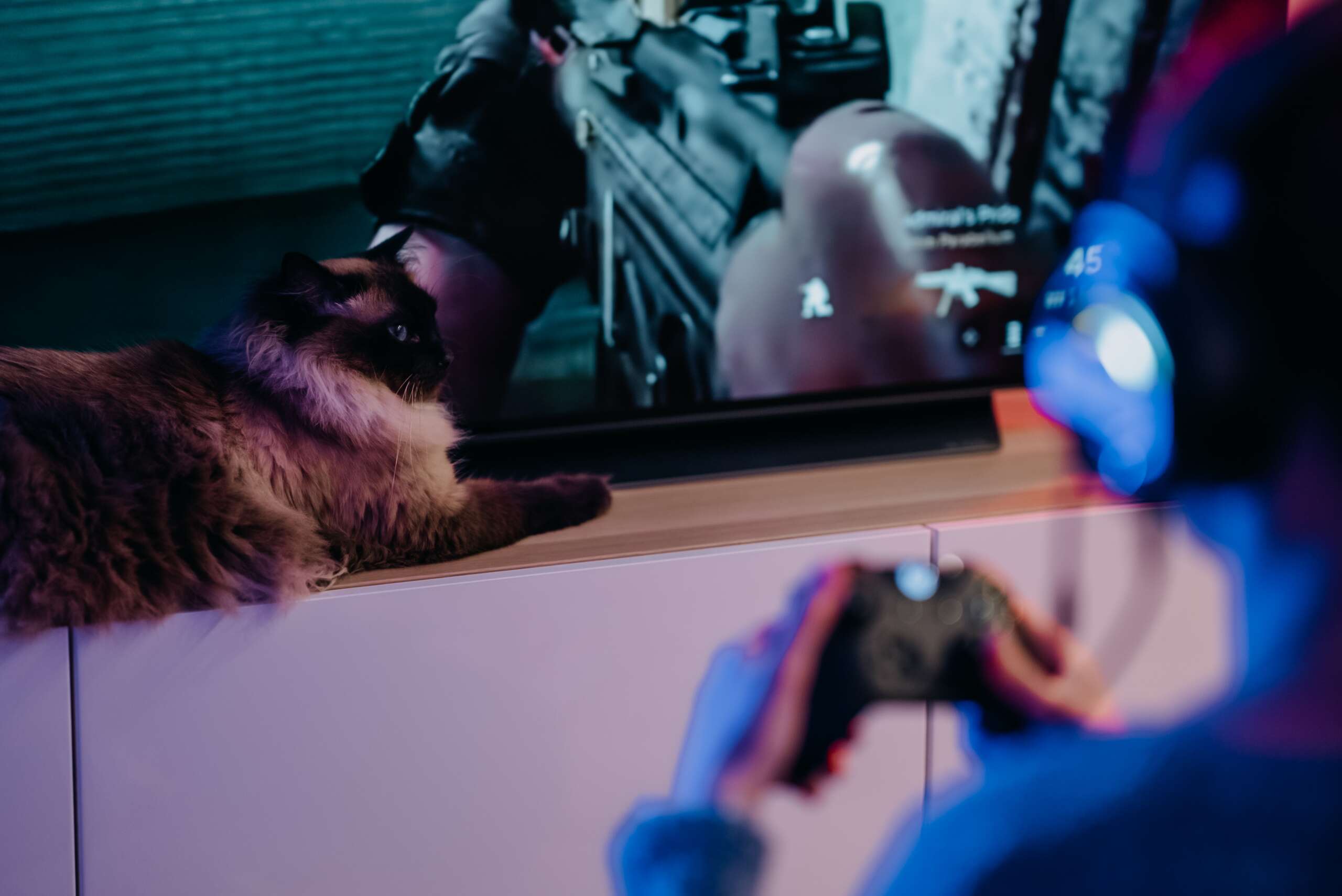
The Popularity of Video Game Soundtracks and Their Influence on Popular Culture
Video game soundtracks have become an increasingly popular genre of music in recent years and have had a significant influence on popular culture. Video game music has evolved from simple sound effects in the 16-bit era to sophisticated orchestral arrangements and electronic compositions that have become a major component of the gaming experience. Composers such as Baba Yetu, Michiru Yamane, and Yoko Shimomura have created iconic soundtracks for classic games like Silent Hill, Donkey Kong, and Streets of Rage.
Additionally, licensed music has now become a common feature of the gaming industry with popular songs and film scores being featured in games, enhancing the immersive experience for players. As video games continue to gain popularity as a form of entertainment, it’s no surprise that the impact of video game soundtracks will only continue to grow.

Conclusion
In conclusion, video game music has come a long way from its simplistic origins in the 16-bit era to the sophisticated and emotionally-charged compositions of today. Through the efforts of video game composers, such as Baba Yetu and Michiru Yamane, video game soundtracks have become an integral part of popular culture. The use of licensed music and original soundtracks in video games has resulted in immersive experiences for the players and has contributed to the emotional depth and storytelling in games like The Last of Us and Final Fantasy VII. As video games continue to grow as a popular form of entertainment, it’s no doubt that iconic soundtracks and historical overviews of video game music will continue to impact mainstream music and popular culture in significant ways.